Cylinders Rebuilt to Function, Not Just Reassembled
Hydraulic cylinder rebuild services in Shreveport for plant equipment with worn bores, damaged rods, or failed seals causing pressure loss and system downtime
A hydraulic cylinder that drifts under load, leaks past its rod seal, or fails to hold pressure at operating demand is rarely a cylinder that needs full replacement—it is usually a cylinder that needs disassembly, bore restoration, and correctly fitted seals. FiberTec Laser Cutting rebuilds hydraulic and pneumatic cylinders in Shreveport for industrial clients whose plant equipment depends on functioning systems to power presses, lifts, and assembly line machinery. Because FiberTec operates machining, fabrication, and assembly capability in-house, the rebuild process does not require outsourcing any step to a separate facility.
Cylinders arrive worn or damaged, and the process begins with full disassembly, cleaning, and inspection of bore condition and rod surface. Honing restores the cylinder wall finish to a surface profile that new seals can actually seat against—a bore that is scratched or out-of-round will leak past new seals regardless of seal quality, which is why honing is a functional requirement rather than a cosmetic step. Worn rod surfaces or damaged end caps go to the machine shop for correction before reassembly. New seals and bushings are installed to the rebuilt bore and rod dimensions, and the completed cylinder is pressure-tested before it leaves the facility.
Schedule a cylinder review to bring your unit in and confirm what the inspection finds before committing to a full rebuild scope.
How Bore Condition Drives Every Rebuild Decision
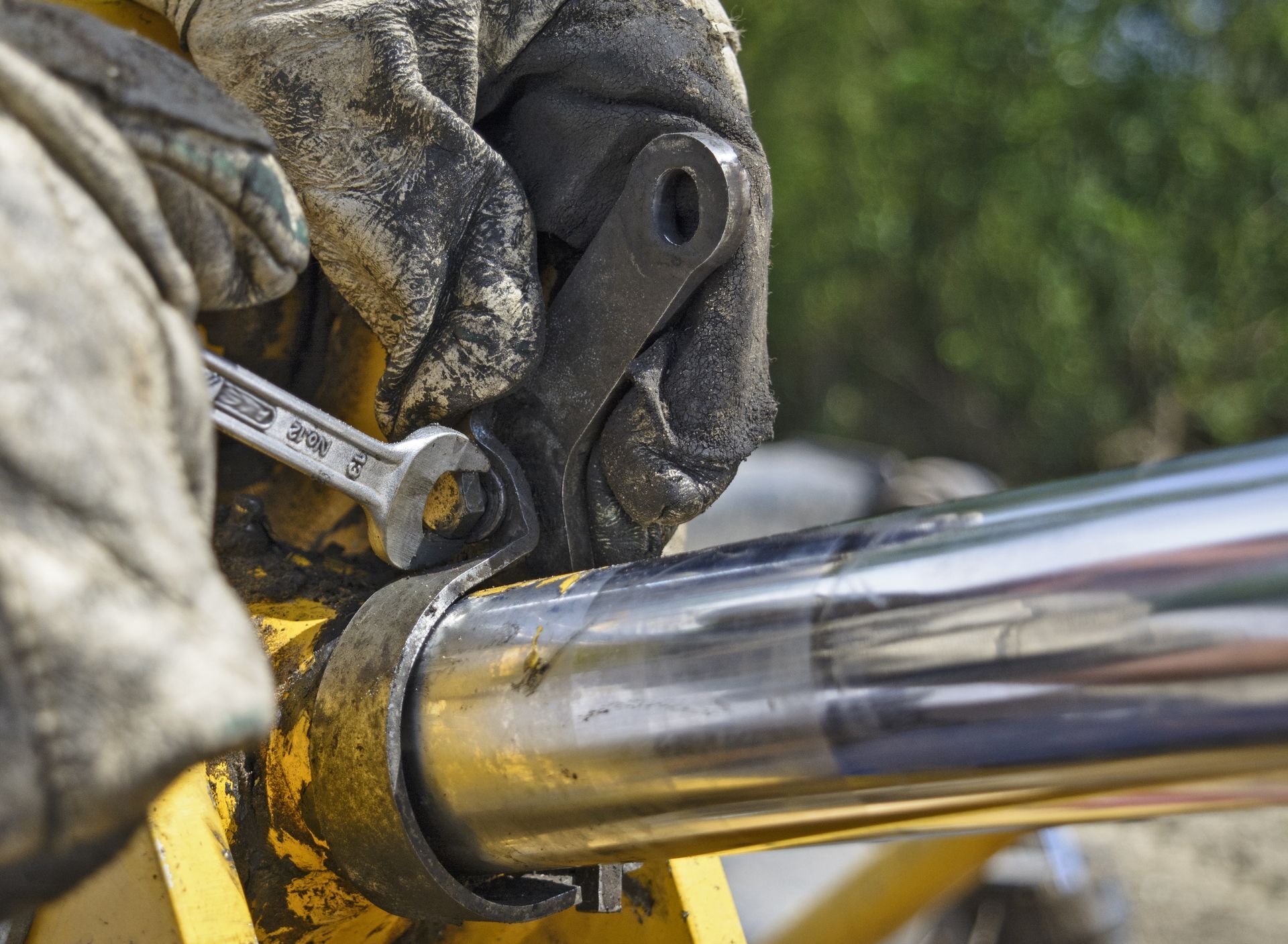
The cylinder bore is the surface that seals run against under pressure, and its condition determines what level of intervention the rebuild requires. A bore that is lightly worn but still round and within tolerance can be honed and fitted with new seals. A bore with scoring from contaminated fluid, or one that has gone out-of-round from side-load operation, needs honing to a larger diameter and oversized seals to match—or in severe cases, a sleeve to bring the bore back to a serviceable geometry. FiberTec's in-house machining capability handles both paths, which means the decision about which approach fits your cylinder gets resolved at the same facility that executes it.
After a completed rebuild, the operational indicators are specific: the cylinder extends and retracts without drift under load, the rod seal shows no weeping at operating pressure, and the unit holds position when the hydraulic circuit is at rest. For plant equipment in the Shreveport area—where a cylinder that powers a press or a positioning fixture determines whether that line runs—those indicators are what a maintenance team checks before returning a rebuilt unit to service.
Rebuild work at FiberTec coordinates with other fabrication needs. If a cylinder requires a fabricated end cap, a custom port fitting, or a rebuilt rod that then needs a machined surface feature, those components are produced in the same facility and flow into the reassembly sequence without delay. For paper mills and manufacturing plants that account for approximately 90 percent of FiberTec's work, that coordination reduces the time a cylinder spends out of service compared to routing each step through separate shops.
What Clients Ask About the Cylinder Rebuild Process
The questions below address what happens during a hydraulic cylinder rebuild, what the inspection reveals, and how rebuilt cylinders are verified before returning to service.
What does cylinder bore honing actually do that replacing seals alone does not?
Honing removes surface irregularities—scratches, corrosion pitting, and out-of-round wear—from the bore wall, creating the consistent surface finish that seals require to maintain contact under pressure; new seals installed in an unhoned bore will leak because they cannot conform to an irregular wall surface.
How is a damaged rod surface corrected during the rebuild?
Rods with scoring or surface rust go to the lathe for turning to remove the damaged layer; the corrected diameter then receives new seals sized to the rebuilt dimension, restoring a sealing surface the new rod seal can run against without cutting on a rough edge.
What does a pressure test after reassembly confirm?
Pressure testing cycles the rebuilt cylinder through its operating range and holds it at rated pressure to verify that seals are seated correctly and that there is no bypass through the bore or past the rod—a cylinder that passes pressure testing will hold load in service the same way it held load during the test.
How does bore condition affect whether a cylinder can be rebuilt or needs replacement?
A bore that is scored beyond the depth that honing can correct, or one where the wall thickness remaining after honing would fall below structural limits, cannot be honed back to service—those cases require a new tube or a full replacement cylinder; inspection determines which condition exists before any rebuild work begins.
What information helps technicians prepare for a cylinder inspection when the unit arrives at the facility in Shreveport?
The operating pressure rating, the fluid type the cylinder has been running, and any known history of contamination or side-loading help the inspection focus on the failure modes most likely present—a cylinder that has run contaminated fluid will show bore scoring patterns different from one that has simply worn seals from normal service cycles.
FiberTec Laser Cutting rebuilds hydraulic and pneumatic cylinders for industrial clients who need disassembly, machining, honing, and reassembly handled in one facility rather than coordinated across multiple shops. FiberTec also provides hydraulic cylinder rebuild services in Bossier City, Texarkana, Marshall, Longview, and Kilgore. Call 318-678-3284 to arrange a cylinder inspection and discuss what the rebuild process involves for your specific unit.